ORIENTER
SNSF Research Project

Intelligible AI for
Depression Diagnosis

Advancing explainable, clinically-grounded AI tools that model language and behavioral markers of depression — bridging NLP research with psychiatric practice.

Duration2025 – 2029
FunderSNSF
Grant No.IZSTZ0_223488
FocusNLP x MH

2
Publications
13
Researchers
0+
Clinical Samples
4
Partner Institutions

About

Why ORIENTER?

Depression, substance use disorders, anxiety, bipolar disorder and schizophrenia rank among the leading causes of disability worldwide. In Mexico alone, mental disorders occupy first place in years lived with disability at 14.92% prevalence — yet access to effective care remains critically limited.

ORIENTER investigates how patients’ language and behaviour can be modelled by AI techniques within the diagnostic construct of depression disorders, considering key demographic variables such as cultural background and gender. The project bridges NLP research with clinical psychiatry, ensuring that the resulting tools are explainable, trustworthy, and deployable in real healthcare settings.

Goals

What We Aim to Achieve

  • Model linguistic and behavioral markers of depression using sustainable, knowledge-infused AI architectures
  • Ensure model interpretability by integrating expert knowledge from psychiatry and psycholinguistics
  • Build and release a large clinical dataset in Mexican Spanish for the global research community
  • Develop practical tools for symptom identification, risk assessment, and disease progression prediction
  • Validate all tools with practitioners at a psychiatric hospital in Mexico

Methodology

Research Pillars

Our approach combines sustainable AI, multimodal analysis, and deep clinical collaboration.

⚡

Sustainable AI

Knowledge-infused architectures that integrate structure and external expertise from psycholinguistics and psychiatry — reducing reliance on massive clinical datasets while improving explainability.

🔊

Multimodal Signals

Exploiting both textual and acoustic modalities from clinical interviews to enrich model generalisation across demographic and cultural contexts.

🏥

Clinical Validation

All models and tools are evaluated hand-in-hand with psychiatric practitioners, ensuring clinical relevance, trust, robustness, fairness, and privacy compliance.

📊

Data Augmentation

Domain-specific augmentation techniques tailored to the sensitive nature of mental health data, addressing the inherent scarcity of clinical corpora.

🔍

Explainability

Models designed to surface interpretable insights — not black-box predictions — enabling clinicians to understand and trust the AI’s reasoning.

🌎

Equity & Access

Outcomes targeted at low- and middle-income healthcare systems, where digital tools can bridge critical gaps in mental health services.


People

Research Team

A cross-disciplinary team spanning NLP, psychiatry, and clinical psychology across Switzerland and Mexico.

Esau Villatoro Tello

Esaú Villatoro Tello

Principal Investigator
Idiap Research Institute, Switzerland
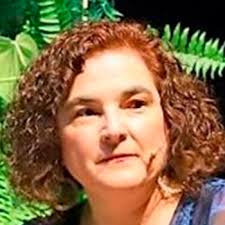
Shoshana Berenzon

Shoshana Berenzon

Co-Principal Investigator
INPRFM, Mexico
Adrian Pastor Lopez-Monroy

Adrián Pastor López-Monroy

Co-Principal Investigator
CIMAT, Mexico
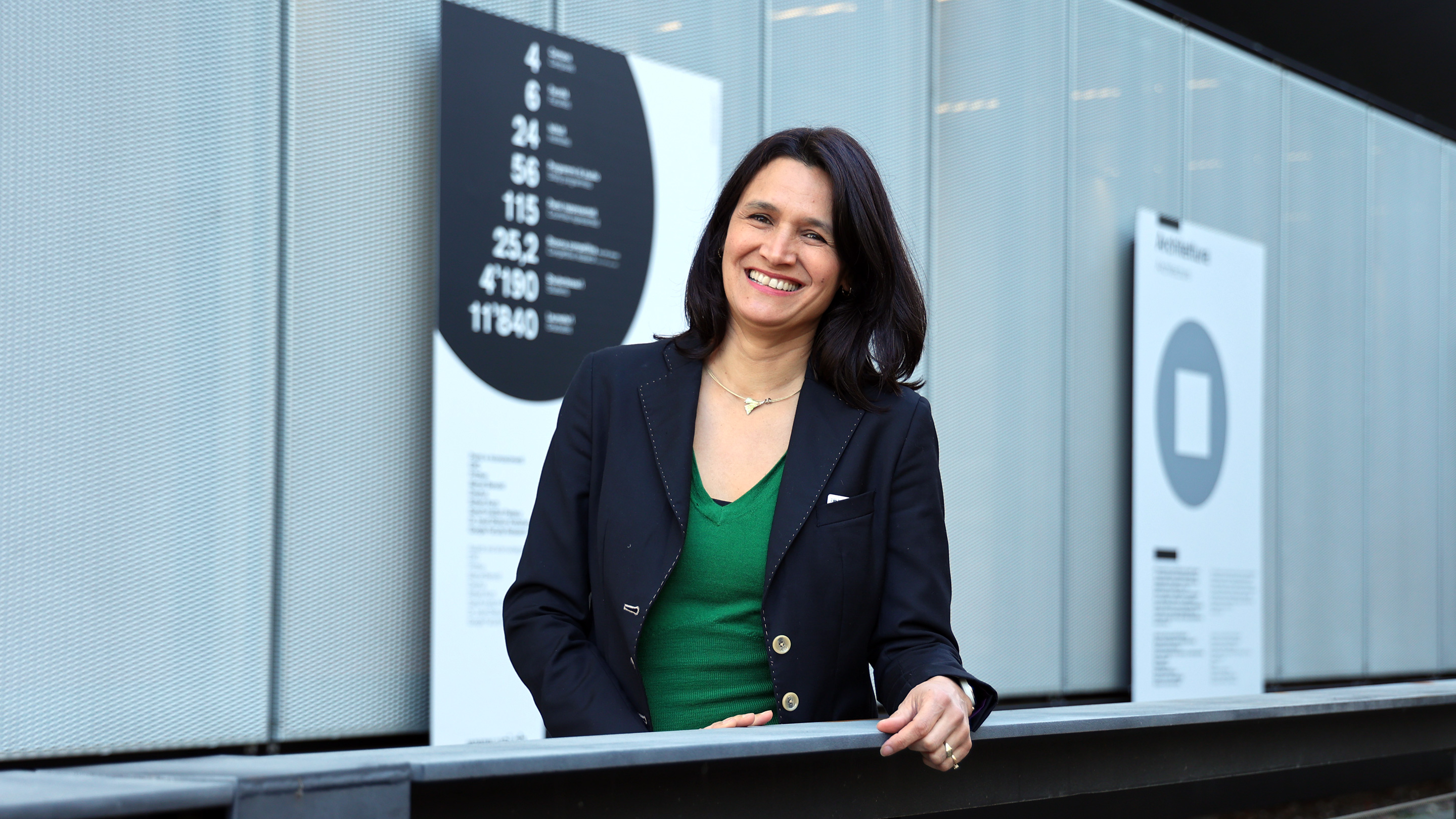
Lonneke van der Plas

Lonneke van der Plas

Co-Principal Investigator
USI, Switzerland
Diego Aaron Moreno Galvan

Diego A. Moreno Galván

PhD Student
CIMAT, Mexico
Hasindri Watawana

Hasindri Watawana

PhD Student
Idiap Research Institute, Switzerland
Sebastian Totxo-Guerrero

Sebastián Totxo-Guerrero

Research Assistant
INPRFM, Mexico
SRP

Sandra Rubio Piña

Research Assistant
INPRFM, Mexico
Petr Motlicek

Petr Motlicek

Collaborator
Idiap Research Institute, Switzerland
Jean-Marc Odobez

Jean-Marc Odobez

Collaborator
Idiap Research Institute, Switzerland
Fernando Sanchez Vega

Fernando Sánchez Vega

Collaborator
CIMAT, Mexico
Ricardo Saracco

Ricardo Saracco

Collaborator
INPRFM, Mexico
Sergio Burdisso

Sergio Burdisso

Collaborator
Idiap Research Institute, Switzerland

Output

Publications & Talks

2026

When Consistency Becomes Bias: Interviewer Effects in Semi-Structured Clinical Interviews

H. Watawana, S. Burdisso, D. A. Moreno-Galván, F. Sánchez-Vega, A. Pastor López-Monroy, P. Motlicek, E. Villatoro-Tello
LREC 2026 · Proceedings of the Fifteenth Language Resources and Evaluation Conference, ELRA, pp. 2355–2361
2026

Modelling Thematic Structure in Clinical Dialogues for Interpretable Depression Detection

E. Villatoro-Tello, E. A. Reyes-Ramírez, S. Burdisso, H. Watawana, P. Motlicek, F. Sánchez-Vega, A. Pastor López-Monroy
TSD 2026 · Lecture Notes in Computer Science, Springer, pp. 580–591

Support

Funding & Partners

SNSF

Swiss National Science Foundation

Grant No. IZSTZ0_223488 · SPIRIT · ~CHF 500K

Idiap

Idiap Research Institute

Speech & Audio Processing Group, Martigny, Switzerland

INPRFM

National Institute of Psychiatry Ramón de la Fuente Muñiz

Mexico City, Mexico

CIMAT

Mathematics Research Center (CIMAT)

Guanajuato, Mexico

USI

USI Università della Svizzera italiana

Faculty of Communication, Culture & Society, Lugano, Switzerland


Get in Touch

Contact Us

For collaboration inquiries or general questions.

orienter.project@gmail.com